Cascador Appoints Oyin Solebo as COO to Drive Scale across African Ventures

Cascador Appoints Oyin Solebo as COO to Drive Scale and Operational Excellence Across African Ventures

Lagos, Nigeria – March 25, 2026 – Cascador today announced the appointment of Oyin Solebo as Chief Operating Officer, bringing on a proven builder with deep experience scaling startups and deploying capital across Africa. Her appointment signals a strategic shift toward strengthening the systems, discipline, and infrastructure required to help growth-stage companies scale sustainably.

Solebo is a seasoned investor and ecosystem builder with deep experience across venture capital, startup acceleration, and corporate innovation in Africa. She previously served as Managing Director of the ARM Labs Lagos Techstars Accelerator,  where she led investments in and supported high-growth startups across multiple sectors. Across her career, she has built a reputation for translating bold vision into disciplined execution, helping companies move from traction to true scale.

Her appointment marks a critical step in Cascador’s evolution—from a leadership-focused program into a platform designed to systematically scale high-impact companies.

“Oyin is a force multiplier,” said Trish Thomas, CEO of Cascador. “She understands what it takes to build and run organizations that endure. As we expand our focus from developing founders to scaling companies, her operational expertise will be instrumental in helping us deliver on that vision.”

Cascador’s model is grounded in a clear thesis: backing founders who can multiply the value they receive, turning education into execution, and capital into lasting economic and social impact.

Through its ScaleUp Program, Cascador equips growth-stage entrepreneurs with the leadership skills, strategic clarity, and access to catalytic capital required to scale sustainably. The program is designed for founders with proven traction—those capable of absorbing significant investment and deploying it effectively to drive growth, job creation, and long-term resilience.

Solebo’s experience sits squarely at this intersection of leadership, capital, and execution.

“In Africa, we don’t have a shortage of founders, we have a shortage of companies that successfully scale,” said Solebo. “The difference lies in systems, discipline, and the ability to deploy capital effectively. Cascador has built a powerful foundation by investing in people. The opportunity now is to extend that into building stronger companies that can absorb capital, institutionalize operations, and grow sustainably.”

As Chief Operating Officer, Solebo will focus on strengthening Cascador’s operational infrastructure and scaling its platform capabilities. This includes optimizing program delivery, deepening alumni support, and building systems that enable founders to transition from learning to execution and from execution to scale.

Her role will be particularly critical in advancing Cascador’s ScaleUp Program and Catalytic Fund, which deploys $2–5 million annually in tailored financing to high-performing alumni. The fund is designed not simply to extend their runway, but to back “resource multipliers”:  ventures that can transform capital into durable financial performance and measurable impact.

Dave DeLucia, Founder of Cascador, emphasized the strategic importance of the appointment: “Cascador has always been about multiplying impact through entrepreneurship. With Oyin, we are strengthening our ability to ensure that the hard work of our team and the deployment of capital ultimately translates into scaled, enduring businesses. She brings the operational discipline and ecosystem insight needed to take us to the next level.”

Solebo also highlighted Cascador’s unique positioning within the African ecosystem. “What makes Cascador different is its focus on multipliers—founders who can take what they learn and amplify it across their companies, teams, and markets,” she said. “If we can consistently support those founders with the right combination of education, networks, and capital, the ripple effects are enormous—more jobs, stronger industries, and a more resilient economy.”

Looking ahead, Solebo aims to position Cascador as a long-term scaling partner for its entrepreneurs. “We are building more than a program. We are building a platform,” she said. “A platform that identifies high-potential founders, equips them to lead, and then supports them with the financial and non-financial resources required to scale. If we do this well, we won’t just transform individual companies—we’ll shape the future of the African economy.”

Her appointment underscores Cascador’s ambition to become a central engine for entrepreneurial scale in Africa where leadership, capital, and execution come together to unlock lasting impact.

About Cascador
Cascador is an Africa-focused platform for growth-stage founders building businesses that matter. Through Cascador ScaleUp, its flagship program, Cascador works with an elite cohort of entrepreneurs to strengthen their leadership and sharpen their strategy, preparing them for responsible scale. By connecting founders to the networks, capital, and strategic support required to grow, Cascador is helping build the next generation of enduring African businesses. Since 2019, Cascador has supported more than 70 entrepreneurs who have collectively raised over $125 million and created almost 40,000 jobs in 2025 alone. 

Learn more about Cascador or apply at www.cascador.org. 


For media inquiries and additional information, please contact:

Amanda Etuk
Program Director, Cascador
amanda@cascador.org
+234 2013309272

Inside Fortics Life’s ambition to revive 100 dead Nigerian hospitals by 2030

Inside Fortics Life’s ambition to revive 100 dead Nigerian hospitals by 2030

It was a rainy Monday afternoon when Dr Fortune Femioyewole joined our virtual call, his voice steady as he revisited two moments that never left him. “A child died of a lack of oxygen. The woman died because of ₦2,500 ($1.5),” he said. Those moments pushed him beyond the walls of consulting rooms and into the harder work of fixing broken systems.

He is not alone in feeling the weight of a sector on the brink. Between 2019 and 2024, almost 16,000 doctors left Nigeria, fleeing poor pay, crumbling infrastructure, and conditions that make care unsafe.

Against that backdrop, Femi built Fortics Life Group. What began in Ibadan with ₦5 million ($3,200) has grown into a healthcare network reporting half a billion naira in revenue, with more than 28,000 patients served through hospitals and pharmacies in Ibadan and Lagos. Two more subsidiaries are in the pipeline: eFortics, a data arm, and a health-insurance unit still in planning.

On his laptop, Femi toggles through dashboards showing patient numbers from Lekki, inventory levels from Ibadan, and revenue streams threading between facilities. The picture is real-time and paperless—far removed from the helplessness of those early days.

Buying time, not new buildings

Femi’s path from clinician to entrepreneur was shaped by brutal math: half of Nigeria’s registered hospitals are shut. At the same time, the country struggles with one of the world’s lowest doctor-to-patient ratios—around four per 10,000 people, far below the World Health Organisation (WHO)’s 1:600 benchmark. Every closure compounds the crisis.

Rather than pour capital into new builds, Fortics takes a more pragmatic route, resurrecting dormant hospitals abandoned by doctors who emigrated or folded under poor economics. “Looking at the capital we had, what was the point when there were already so many redundant hospitals?” Femi says.

The model is disciplined: lease facilities, repair core infrastructure, and add pharmacy operations to secure steady cash flow. The costs vary sharply by location.

In Lekki, maintaining a site runs close to ₦12 million ($ 7,900) a year, while Ibadan comes in at roughly ₦3 million ($1,990). Even then, every lease is a negotiation. Some hospitals are hollow shells requiring full refits; others retain equipment that can be salvaged. As patient numbers grow, Fortics often reinvests: tearing down walls, expanding bed space, and upgrading infrastructure.

But acquisition goes beyond rent and repairs. Each deal runs through rigorous due diligence: governance checks, community goodwill assessments, and reputational screening.

“If a hospital had a track record of killing patients, it’s a non-starter,” Femi notes. Cost-effective, yes—but also a reputational bet that Fortics cannot afford to lose.

Fortics Life targets revival of 100 Nigerian hospitals by 2030
At a Fortics physical location in Lagos.

Lean, digital, and tracked

The model relies on tight operations. Every Fortics unit runs cloud systems for patient records, pharmacy sales, and finances. No blind spots.

“We are data-driven,” Femi says. “We run paperless. We use Asana. We know what diagnosis is recurring. We know inventory. We know patient retention.”

That structure is also a safeguard. Across Nigeria, private hospitals have been flagged for recommending caesarean sections in cases that could have been managed otherwise, simply because the surgery brings in more money. Pharmacies are not exempt either. With most running on thin margins, many have turned to indiscriminate over-the-counter sales of antibiotics and painkillers—less about patient need, more about clearing stock.

Dr Sanya, a general practitioner in Yenagoa, notes that in public facilities, such procedures follow strict guidelines, but in private practice, “about five in ten” cases may be influenced by financial motives.

For pharmacists, the tension is similar. “Economic pressures do influence healthcare decisions,” says Rivers-based pharmacist Ijeoma Okoroh. “Some outlets chase sales, but the ones that focus on patient counselling and follow-up build real trust—and that’s better for both care and business.

Femi insists Fortics Life Group draws a line. “What is the condition? What exactly do you need? Nothing more, nothing less,” Femi says. The goal is cost-effective, standardised care, whether in Lagos or Zamfara.

Even with this lean model, the Healthops and Infrastructure company isn’t untouched by Nigeria’s economic shocks. It weathered two recessions and a brutal 2021 that went “very red,” Femi recalls. Yet every other year has been profitable, and growth has largely been organic. One receptionist rose to head of operations, reflecting how the company’s trial-and-error learning built a team that grew alongside the business.

That resilience kept banks satisfied, loans clean, and the initial ₦5 million stake growing into half a billion in revenue.

Data, then insurance

The long game is bigger than hospitals. Fortics already runs its facilities on Helium Health’s EMR platform, but Femi wants more than digitised records. The planned eFortics platform will aggregate patient data, run epidemiological studies, and monetise anonymised insights. With less than 10% of Nigerians covered by health insurance and most telemedicine startups struggling with retention, he sees data as the missing backbone.

“We’re starting with the infrastructure,” he says. “Later, we’ll focus on the data parts and the telemedicine part—once we have the scale.”

Nigeria’s digital health market is not short of activity but fragile. Helium Health drives EMR adoption, Heala offers remote consultations, and APMIS handles insurance billing. New pilots like MySmartMedic in Abuja and pharmacy-based telemedicine in Lagos show appetite, yet cracks remain: unreliable power, weak internet, low digital literacy, and thin regulation. Most platforms focus on a single layer. Fortics is betting that sequencing—hospitals first, then data, then insurance and telemedicine—can sidestep the pitfalls that stalled earlier pilots.

Cascador as the next chapter

This year, Fortics entered the Cascador program after a board member encouraged Femi to apply. He had been wary of programs like it, but the experience was different. The feedback was practical, focused on clarity and execution rather than just vision.

“That was the shift,” he says. “It wasn’t about dreaming bigger—it was about progress and scale.”

The company is now raising capital to grow from three facilities to a nationwide network of 30 hospitals and 30 pharmacies across Nigeria’s six geopolitical zones. The plan is to let urban hubs and pharmacy revenues cross-subsidise rural care, with eFortics providing the data backbone to keep operations consistent. Insurance and telemedicine will only come once that foundation is solid.

Femi frames it simply: “We never had the luxury of money, so we learned to be innovative. That hasn’t changed. Our rule is: don’t throw money at problems, solve them with the right systems.”

Article first published on September 27, 2025 on https://thecondia.com/fortics-life-nigeria-healthcare-cascador/?utm_source=WhatsApp+channel&utm_medium=WhatsApp&utm_id=fortics-life-nigeria-healthcare-cascador

Highlights from Cascador Pitch Day and the launch of a $2M Catalytic Fund

Highlights from Cascador Pitch Day and the launch of a $2M Catalytic Fund

On May 14, 2025, the Radisson Blu Anchorage in Victoria Island, Lagos, was abuzz with entrepreneurial energy as Cascador hosted its annual Pitch Day.

The event brought together a select group of alumni from the Cascador program, an initiative renowned for nurturing mid-stage, mission-driven African entrepreneurs.

Since its launch in 2019, Cascador has helped elevate  six cohorts of entrepreneurs through a combination of education, self-discovery, mentoring, pitch training, and personalised advisory support.

On May 14, 2025, the Radisson Blu Anchorage in Victoria Island, Lagos, was abuzz with entrepreneurial energy as Cascador hosted its annual Pitch Day.

The event brought together a select group of alumni from the Cascador program, an initiative renowned for nurturing mid-stage, mission-driven African entrepreneurs.

Since its launch in 2019, Cascador has helped elevate  six cohorts of entrepreneurs through a combination of education, self-discovery, mentoring, pitch training, and personalised advisory support.

Pitch Day is a hallmark of the Cascador experience, reserved exclusively for alumni who have completed the transformative program. To earn their spot as finalists, participants had to submit comprehensive applications demonstrating business viability, impact metrics, and financial sustainability.

This year, nine entrepreneurs were chosen to pitch their ventures: Michael Ogundare of Crop2Cash, Joycee Awosika of Oriki, Omoniyi Salami of N.E.A.T., Olumide Gbadebo of Adunni Organics, Babatunde Akin-Moses of Sycamore, Chibuke Goodnews of DoChase, Oluwaseyi Adefemi of Drive45, Olufemi Idowu of 24SEVEN, and Omowunmi Emmanuel-Ogah of Ex-Care.

Cascador awarded all nine businesses debt financing : ₦225,000,000 to Ex-Care; ₦500,000,000 to  N.E.A.T.; ₦100,000,000 to Crop2Cash; ₦750, 000,000 to Oriki;  ₦100,000,000 to Adunni Organics; ₦250,000,000 to DoChase; ₦1,500,000,000 to Sycamore; ₦2,000,000,000 to Drive45; and ₦500,000,000 to 24SEVEN.

The event was anchored by David Ubabudike, who kept the programme engaging and seamless.

A major highlight of the evening was the unveiling of the $2 million Catalytic Fund, a landmark commitment that will see Cascador allocate $2 million annually, starting in May 2025, to empower its alumni with the capital they need to scale their impact. This fund is designed as a combination of debt, equity, and collateral investments, in partnership with Sterling Bank, to meet the unique needs of each business.

The financing solutions are customised to each entrepreneur’s business model and cash flow patterns, ensuring that support is both relevant and sustainable. The Catalytic Fund represents a significant step forward in Cascador’s mission to drive sustainable economic growth and support transformational businesses making a difference across Nigeria.

In addition to the main funding pool, Cascador celebrated entrepreneurial excellence by awarding two special innovation prizes. The NSIA Prize for Innovation, sponsored by the Nigeria Sovereign Investment Authority(NSIA), awarded $10,000 to Crop2Cash for their outstanding work in agritech.

The DBN Innovation Prize, sponsored by the Development Bank of Nigeria (DBN), awarded $5,000 to N.E.A.T. for their innovative approach to entrepreneurial excellence.

Cascador also recognised Oriki with a $10,000 award for delivering the best pitch of the day.

The event was graced by an impressive roster of business leaders, mentors, and judges. Abubakar Sulaiman, Managing Director of Sterling Bank, delivered a keynote speech emphasising the need for Nigerian businesses to become “bankable”: viable and profitable. He highlighted Sterling Bank’s commitment to ensuring that entrepreneurs can independently access the financial support they need and joined the panel of judges in presenting awards.

The judging panel included Iyinoluwa Aboyeji, co-founder of Future Africa, Flutterwave, and Andela; Ada Osakwe, co-founder of Atika Ventures and CEO of The Nuli Food Company; and Daniel Adeoye, Partner at Verod Capital.

The Cascador team led by David DeLucia, Founder, Trish Thomas, CEO, Amanda Etuk, Program Director and Patrick Amajama, Administrator hosted the groundbreaking event with the support of partner representatives from the NSIA, DBN and Sterling Bank

In his address, Delucia explained the rationale behind Cascador’s selective admissions process, noting that the program admits a limited number of Nigerian entrepreneurs each year to ensure one-on-one mentorship and meaningful relationships.

He spoke passionately about his commitment to sharing knowledge and fostering the next generation of Nigerian business leaders, describing Cascador as a “cascade of wisdom from one generation to the next.”

As the event concluded, the sense of possibility in the room was palpable. Cascador Pitch Day 2025 not only celebrated the achievements of its alumni but also set a new benchmark for entrepreneurial support in Nigeria. With the launch of the Catalytic Fund and the continued backing of visionary partners, Cascador is set to empower even more entrepreneurs to transform their industries and communities in Nigeria for years to come.

Applications for the 2025 Cohort of Cascador is open till June 1, 2025 https://cascador.org/apply-now/


Article first published here: Highlights from Cascador Pitch Day

Cascador unveils 2025 cohort: Eleven visionary leaders driving Africa’s transformation

Cascador unveils 2025 cohort: Eleven visionary leaders driving Africa’s transformation

 Cascador, Africa’s premier accelerator for mission-driven entrepreneurs, proudly announces its 2025 Cohort. The eleven founders selected this year are addressing some of Nigeria’s most urgent challenges—from livestock management and mental health to clean energy and digital inclusion—leveraging tools like artificial intelligence, blockchain, and solar power.

Selected from more than four hundred qualified applicants nationwide, these changemakers exemplify the spirit of Nigerian innovation: resilient, bold, and deeply committed to impact. With 40% female representation and strong inclusion from northern regions of the country, the 2025 cohort reflects the diversity and promise of Africa’s next generation of business leaders.

Meet the trailblazers of Cascador 2025

  • Deina Mayaki (Agriarche) – Empowering farmers, aggregators, and food processors with integrated access to markets, finance, data, and climate-smart solutions.
  • Yinka Iyinolakan (CDIAL) – Empowering last-mile customer engagement through multilingual voice AI.
  • Uzoamaka Igweike (Loom Craft Chocolate) – Elevating Nigerian cocoa into premium chocolate while creating jobs and retaining local economic value.
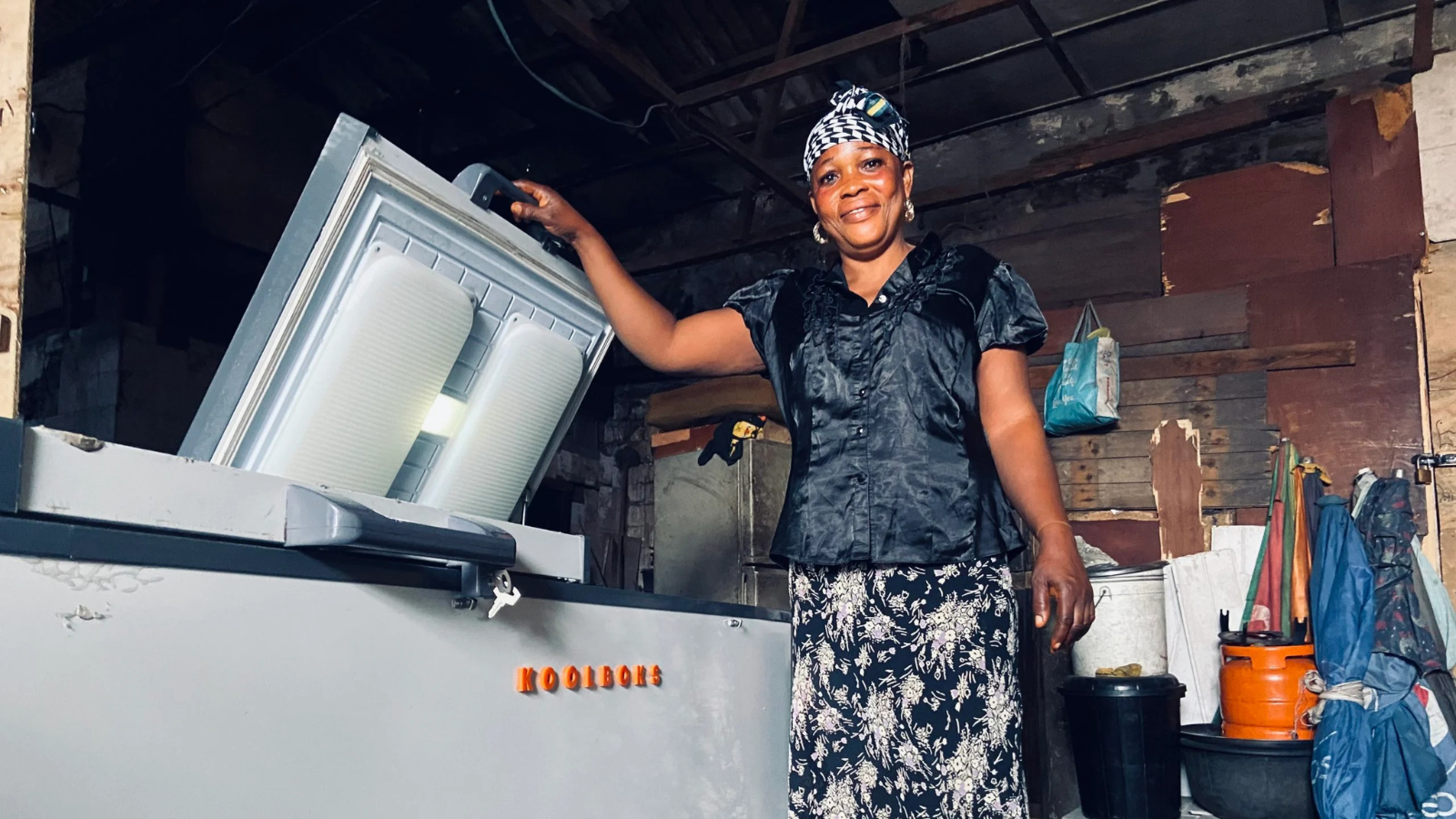
  • Ayoola Dominic (Koolboks) – Bringing solar-powered refrigeration to off-grid and underserved communities.
  • Okey Esse (Powerstove Energy) – Providing clean cookstoves that also generate electricity for household use.
  • Aisha Rilwan (Grabb247) – Digitizing Nigeria’s livestock trade with an AI-powered marketplace for transparent, fair and healthy animal sourcing.
  • Daniel Komolafe (First Electric) – Making clean energy accessible and affordable by deploying mesh grid solutions in rural communities across Nigeria.
  • Taslim Salaudeen (Milsat Technologies) – Maps and distributes Africa’s hard-to-find datasets—empowering smarter decisions, equitable access, and transformative growth.
  • Dare Odumade (Chekkit Technologies) – Web3 and AI-powered B2B2C supply chain traceability infrastructure
  • Aisha Bubah (The Sunshine Series) – Promoting mental healthcare through culturally-rooted and community-driven care
  • Femi-Oyewole Toluwalope (Fortics) – Transforming healthcare access and outcomes, Fortics Lifecare Group delivers comprehensive, tech-backed solutions through data, insurance, and robust financial systems.

“Cascador is a dream come true,” shared Aisha Bubah, Founder of The Sunshine Series. “I’m eager for deep, honest conversations that push me to grow as a leader and to learn from other entrepreneurs who are also transforming lives through purpose-driven work.”

“Through Cascador, I hope to become a stronger leader, someone who can scale a thriving company and communicate a clear, compelling vision for impact,” said Uzoamaka Igweike, Founder of Loom Craft Chocolate.

“I’m hoping to grow as a leader by sharpening my people and policy skills, while also tapping into the network to open new markets and learn directly from other experienced African founders,” shared Dare Odumade, Founder and CEO of Chekkit.

A program designed for transformational impact

Cascador’s intensive accelerator provides a unique blend of leadership development, operational strategy and investor readiness training. Fellows benefit from:

  • Education and leadership development;
  • One-on-one mentorship with seasoned entrepreneurs and business leaders;
  • Cross-sector peer learning and collaboration;
  • Strategic networking with investors, partners, and industry experts; and
  • Eligibility for future Catalytic Fund capital funding as a program alumnus.

“At Cascador, we believe the future of Africa will be shaped by bold entrepreneurs with the vision to solve real problems and the grit to scale their solutions,” said Trish Thomas, CEO of Cascador. “This year’s cohort reflects that promise—diverse in geography, sector and approach, but united by purpose and the courage to lead.”

Advancing a new generation of leaders

Since launching in 2019, Cascador has supported over 60 entrepreneurs who have collectively raised more than $60 million and created thousands of jobs across Africa. The program’s influence continues to grow, nurturing not only high-impact ventures but the visionary leaders behind them.

“This cohort isn’t just tackling problems—they’re building the systems, solutions, and companies that will define Nigeria’s future,” said Dave DeLucia, Founder of Cascador. “They’re leading with vision and scaling impact in ways that uplift society.”

About Cascador

Cascador is a Nigeria-based not-for-profit organization and entrepreneurial development program focused on developing mid-stage Nigerian entrepreneurs who are scaling mission-driven companies. By combining world-class education, one-on-one mentoring, and personalized support, Cascador empowers entrepreneurs to make a positive impact through job creation, innovation, and development of opportunities for underprivileged and marginalized communities. Learn more about the 2025 cohort, past alumni, and how to support Cascador’s mission at Cascador.org.

Article first published on August 11, 2025 here: Cascador unveils 2025 cohort: Eleven visionary leaders driving Africa’s transformation | TechCabal 

Cascador unveils 2025 cohort: Eleven visionary leaders driving Africa’s transformation

Cascador Unveils 2025 Cohort: Eleven Visionary Leaders Driving Africa’s Transformation

Lagos, Nigeria – August 11, 2025 – Cascador, Africa’s premier accelerator for mission-driven entrepreneurs, proudly announces its 2025 Cohort. The eleven founders selected this year are addressing some of Nigeria’s most urgent challenges—from livestock management and mental health to clean energy and digital inclusion—leveraging tools like artificial intelligence, blockchain, and solar power.

Selected from more than four hundred qualified applicants nationwide, these changemakers exemplify the spirit of Nigerian innovation: resilient, bold, and deeply committed to impact. With 40% female representation and strong inclusion from northern regions of the country, the 2025 cohort reflects the diversity and promise of Africa’s next generation of business leaders.

Meet the Trailblazers of Cascador 2025

Deina Mayaki (Agriarche) – Empowering farmers, aggregators, and food processors with integrated access to markets, finance, data, and climate-smart solutions.

Yinka Iyinolakan (CDIAL) – Empowering last-mile customer engagement through multilingual voice AI.

Uzoamaka Igweike (Loom Craft Chocolate) – Elevating Nigerian cocoa into premium chocolate while creating jobs and retaining local economic value.

Ayoola Dominic (Koolboks) – Bringing solar-powered refrigeration to off-grid and underserved communities.

Okey Esse (Powerstove Energy) – Providing clean cookstoves that also generate electricity for household use.

Aisha Rilwan (Grabb247) – Digitizing Nigeria’s livestock trade with an AI-powered marketplace for transparent, fair and healthy animal sourcing.

Daniel Komolafe (First Electric) – Making clean energy accessible and affordable by deploying mesh grid solutions in rural communities across Nigeria.

Taslim Salaudeen (Milsat Technologies) – Maps and distributes Africa’s hard-to-find datasets—empowering smarter decisions, equitable access, and transformative growth.

Dare Odumade (Chekkit Technologies) – Web3 and AI-powered B2B2C supply chain traceability infrastructure

Aisha Bubah (The Sunshine Series) – Promoting mental healthcare through culturally-rooted and community-driven care

Femi-Oyewole Toluwalope (Fortics) – Transforming healthcare access and outcomes, Fortics Lifecare Group delivers comprehensive, tech-backed solutions through data, insurance, and robust financial systems.

“Cascador is a dream come true,” shared Aisha Bubah, Founder of The Sunshine Series. “I’m eager for deep, honest conversations that push me to grow as a leader and to learn from other entrepreneurs who are also transforming lives through purpose-driven work.”

“Through Cascador, I hope to become a stronger leader, someone who can scale a thriving company and communicate a clear, compelling vision for impact,” said Uzoamaka Igweike, Founder of Loom Craft Chocolate.

“I’m hoping to grow as a leader by sharpening my people and policy skills, while also tapping into the network to open new markets and learn directly from other experienced African founders,” shared Dare Odumade, Founder and CEO of Chekkit.

A Program Designed for Transformational Impact

Cascador’s intensive accelerator provides a unique blend of leadership development, operational strategy and investor readiness training. Fellows benefit from:

  • Education and leadership development;
  • One-on-one mentorship with seasoned entrepreneurs and business leaders;
  • Cross-sector peer learning and collaboration;
  • Strategic networking with investors, partners, and industry experts; and
  • Eligibility for future Catalytic Fund capital funding as a program alumnus.

“At Cascador, we believe the future of Africa will be shaped by bold entrepreneurs with the vision to solve real problems and the grit to scale their solutions,” said Trish Thomas, CEO of Cascador. “This year’s cohort reflects that promise—diverse in geography, sector and approach, but united by purpose and the courage to lead.”

Advancing a New Generation of Leaders

Since launching in 2019, Cascador has supported over 60 entrepreneurs who have collectively raised more than $60 million and created thousands of jobs across Africa. The program’s influence continues to grow, nurturing not only high-impact ventures but the visionary leaders behind them.

“This cohort isn’t just tackling problems—they’re building the systems, solutions, and companies that will define Nigeria’s future,” said Dave DeLucia, Founder of Cascador. “They’re leading with vision and scaling impact in ways that uplift society.”

About Cascador

Cascador is a Nigeria-based not-for-profit organization and entrepreneurial development program focused on developing mid-stage Nigerian entrepreneurs who are scaling mission-driven companies. By combining world-class education, one-on-one mentoring, and personalized support, Cascador empowers entrepreneurs to make a positive impact through job creation, innovation, and development of opportunities for underprivileged and marginalized communities. Learn more about the 2025 cohort, past alumni, and how to support Cascador’s mission at Cascador.org.

CONTACT:
Amanda Etuk, Program Director Cascador
phone | +234 2013309272
email | amanda@cascador.org
Lagos | Nigeria
www.cascador.org

Article first published here: Cascador Unveils 2025 Cohort: Eleven Visionary Leaders Driving Africa’s Transformation – Businessday NG